



User gap analysis
When technology meets reality
The challenge: the gap between investment and experience
Many organizations invest huge sums in advanced infrastructure – powerful servers, fast networks, sophisticated security systems. But at the end of the day, the critical question remains: How does it feel for the user sitting in front of the computer?
Think for a moment about an employee who is dealing with a computer that crashes in the middle of work, an internet connection that disconnects in the middle of an important video conference call, or a call opening process that takes a full ten minutes. That employee doesn’t know, and doesn’t care, how much the organization has invested in the infrastructure. He just wants it to work.
The solution: a view from the user’s perspective
User gap analysis is a unique approach that examines the technological environment through the eyes of its actual users. Instead of focusing solely on technical metrics, we examine the real experience of daily work.
What this analysis tests
Actual performance: How long does it really take an employee to turn on the computer, open files, or connect to the organization’s systems?
Communication stability: How does the wireless network function in conference rooms? What happens when you connect from home? How does the system’s response times feel?
Service accessibility: What does the support process look like from an employee’s perspective – is it clear, convenient, and effective?
Daily tools: Can employees easily access everything they need for their work? Are there gaps between what they need and what they get?
The process: How it works
Sinopia uses a combination of several methods for comprehensive mapping:
Personal conversations with users from all levels and departments, to understand their real experience.
Targeted surveys that measure satisfaction and identify common problems.
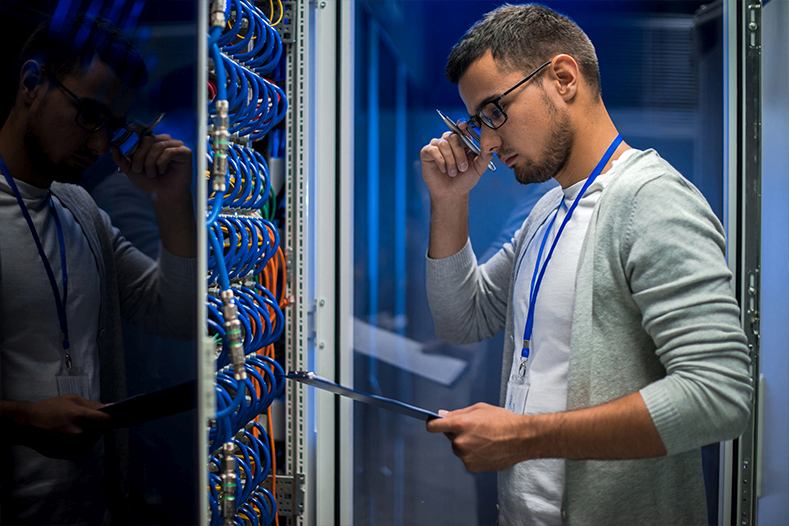
Technical monitoring to test performance at actual work points, not just in the server room.
The results: What you get
A clear picture of how users experience technology in the organization.
A data-based gap report identifying exactly where there are problems and what they cost the organization.
Practical recommendations for improvement, ranked by priority and impact.
A work plan which helps prioritize future investments – intelligently.
Why does it matter?
Because at the end of the day, the most advanced technology in the world is worth nothing if employees can’t work well with it. User gap analysis helps close the gap between what an organization thinks employees receive and what’s they actually have access to.
It’s not just a matter of technical efficiency. It’s the feeling that the organization understands and is interested in a positive experience for its employees.